Our school’s founding charter already reflects our strong commitment to contributing to the growth of the economic, cultural, entrepreneurial, and social systems of the regions where we operate.
We promote a culture of entrepreneurship by valuing ethics, knowledge, and openness, guiding young graduates, professionals, managers, and entrepreneurs in developing the skills needed to interpret and navigate complexity and to tackle uncertain and ever-changing contexts.

Training is at the heart of the CUOA model: our training programs are conceived and designed to enhance participants’ experiences and support the evolution of managerial roles, integrating ESG issues as a driver of competitiveness and responsibility.

2025 Sustainability Report

We have analyzed and assessed our standing with regard to sustainability issues in order to report our impact to our stakeholders in a rigorous and scientific manner and to define a concrete action plan for improvement on ESG issues, consistent with the characteristics of our people, processes, and the school.

A special thank you to our Members, Founders, and Supporters, as well as to our Partner Universities, who have believed and continue to believe in us and are essential to the sustainability of our activities.

Thanks also to our employees and staff, our faculty, and our students and alumni, who are active participants in the complex yet challenging journey toward becoming a school that is fully SDG-compliant.

Highlights

The School
Years of History 69
Supporting Members 212
Partner Universities 20
Training
Training Programs 300
Hours of activity 20.700
Participants 9.400
CUOA Master's Degree Graduates 224
People
Employees 62
Women 79%
Hours of in-house training 2.260
The Environment
Electricity from Renewable Sources 100%
Scope 1 Emissions 2.3 tCO2
Energy Consumed 1,181 GJ

Our Journey in the ESG Field

Commitment to the Principles for Responsible Management Education ( PRME)
“Plastic Free”Project: Installation of a water dispenser and an eco-friendly approach to materials used in communication and education
Measuring sustainability performance using a specific rating system, conducting a 360-degree assessment of the organization’s sustainability, and evaluating the School’s positioning with respect to ESG issues
First Sustainability Report prepared in accordance with GRI standards, context analysis and benchmarking, materiality analysis with internal stakeholders, cross-functional ESG team, ESG action plan, dedicated webpage
Governance, compliance e crescita il modello FOPE
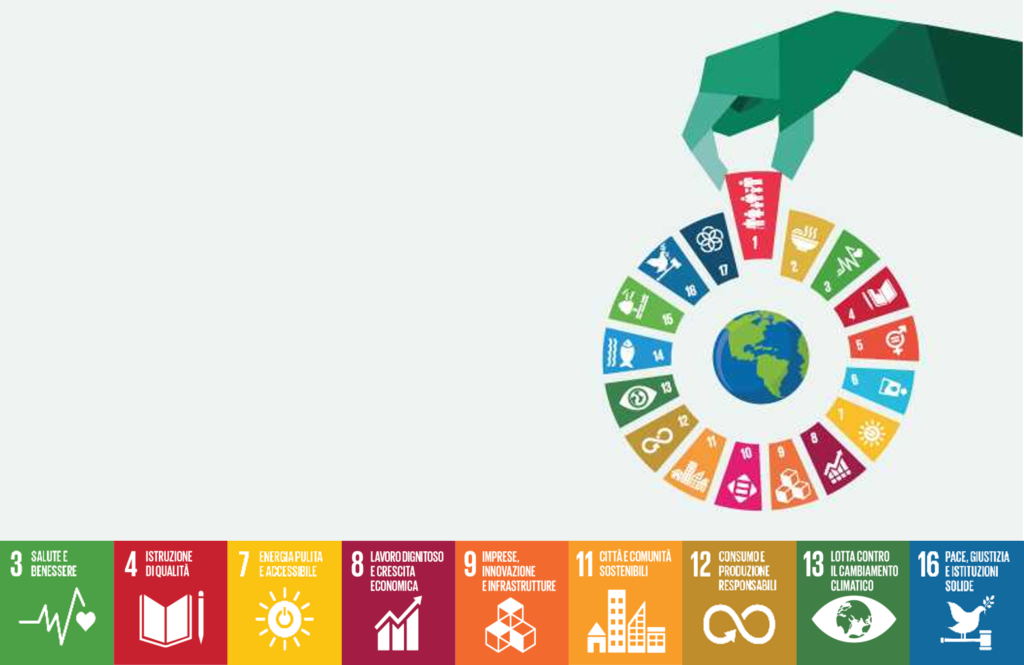
Second Sustainability Report, materiality analysis with external stakeholders, focus groups with faculty and the Scientific Directorate, identification of CUOA’s contribution to 9 Sustainable Development Goals
Third Sustainability Report, materiality analysis with external stakeholders, focus groups with representatives from the Soci Sostenitori and Alumni communities, confirmation of material topics
Fourth Sustainability Report: materiality analysis conducted through focus groups with representatives from the Scientific Board, the Scientific Directorate/Faculty, the Social Supporters and Alumni Communities; confirmation of material issues; drafting of the report with a focus on maximizing the usability and accessibility of the content; proposal for a strategic plan and an ESG Committee

CUOA’s Three ESG Pillars


  • Plastic Reduction
  • Separate Waste Collection
  • Water Dispenser and Use of Water Bottles
  • Gifts and Eco-Friendly Student Kits
  • Circularity of Furniture Through Donations to Associations and Organizations
  • 100% Green Electricity
  • Electric landscaping equipment, use of an electric robotic lawn mower, and a hybrid company car
  • Planting 200 trees in Enego in 2024–2025

  • A company policy with terms and conditions that are more favorable than those of the National Collective Bargaining Agreement
  • Special Benefits for Women Enrolling in CUOA Master’s Programs
  • Free Career Counseling Sessions
  • Collaboration with local cooperatives to manage indoor plants and support local initiatives
  • Internship Opportunities for Students and Alumni

  • Sustainability Included in the Three-Year Strategic Plan
  • Governance that includes various local stakeholders
  • Model 231
  • Privacy and Cybersecurity Policies
  • Analysis and research, observatory, publishing
  • Information and Awareness-Raising Events
  • Alumni Communities, Supporting Members, and University Network
  • Centers of Excellence

Our Contribution to the Goals of the 2030 Agenda

SDGs related to the relevant themes for which positive and negative impacts were analyzed

Our Sustainability Training Programs

Our educational programs incorporate sustainability themes, helping young people, managers, professionals, and entrepreneurs understand the economic, social, and environmental transformations that affect organizations.

We design master’s programs, executive programs, and customized initiatives using an interdisciplinary approach that combines managerial skills, analytical tools, and a strategic vision focused on sustainable value, thereby fostering informed decision-making, integrated risk management, and lasting results.

ESG topics are explored through dedicated lectures, business case studies, testimonials, and hands-on activities. Events and initiatives for the community and the local area round out the program, promoting ethical behavior and fostering innovation.

In this way, we strengthen our role as a business school committed to promoting a culture of responsible management and developing leaders with a long-term perspective.